Image
Image
Image

Bharati Makka App

Bharati Makka App Project

Challanges

Maize enjoys immense patronage among farmers and markets owing to its ease of cultivation, its flexibility, wide adaptability to fit into different cropping systems and diverse uses. Maize, which is being cultivated by 15 million farmers across India, is seen as a potential crop for doubling of farmers’ income. It is necessary to develop mobile app for Maize farmers to enhance their knowledge and skill set interns leads to more production and income.

Image

iSenseBot

iSenseBot Project

Challanges

Consumers rely on food processing and storage facilities to ensure the ideal environmental conditions for produce from the moment it is picked at the field to the time it reaches a grocery store. When it comes to cold storage, humidity and temperature levels are among the most important considerations to prolong the life of fruits and vegetables. When environmental conditions are not ideal, produce deteriorates and becomes potentially harmful to consumers.

Image
Image
Image

Millet Market

Millet Market Project

Challanges

Of late, millets are being utilized for various purposes such as food, feed, fodder and more recently, as bio-fuel. Back-up of several technologies and viable options like, intercropping, drought management, rainwater conservation, nutrient management, plant protection, preparation of market-oriented products and processing are necessary for enhancing farmer’s income and to achieve the goal of food and nutrition security. While achieving this, we need to manage natural resources effectively for their sustainable production. Therefore, more can be achieved by creating awareness among the people about their importance and, available production and processing technologies.

Image

Tigram

TIGRAM Project

Challanges

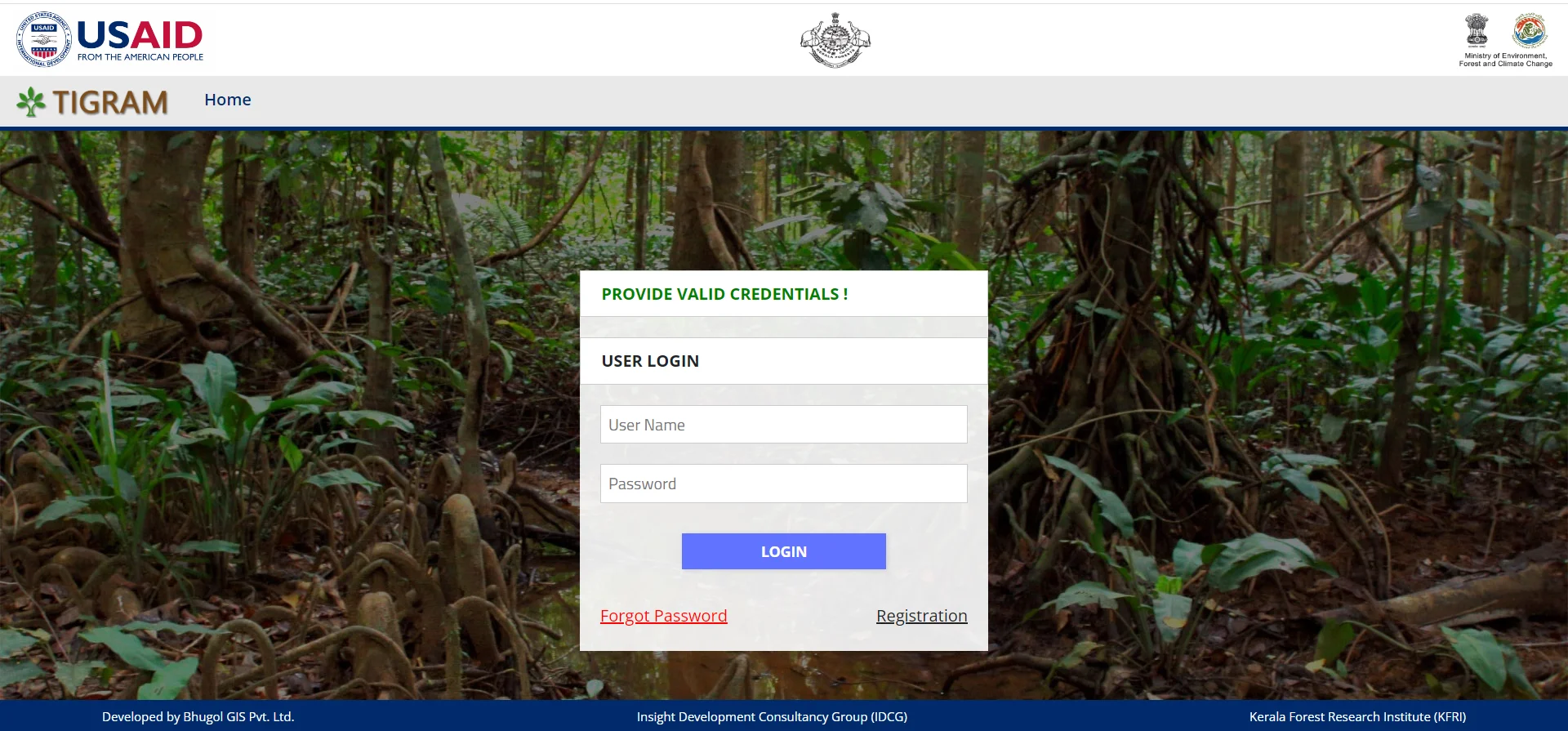
Forest-PLUS 2.0 has developed a timber traceability tool to trace the origin of the timber from private land. Based on the consultation with different stakeholders and emerging needs, the timber tracking functionality must be integrated into the tool. The objective of the assignment is to integrate an additional functionality of timber tracking as well as an online payment method in mobile and web application, which would help the applicants of transit permit to make the fee payment online.

Image

Van IT

Van IT Project

Challanges

The challenges for a Van IT are driven by various factors:

  • Efficient Data Management: A forest MIS helps in organizing and managing vast amounts of data related to forests, including biodiversity, species inventory, forest cover, land use, and forest management activities. It provides a centralized platform for data storage, retrieval, and analysis, leading to better decision-making and planning.
  • Monitoring and Evaluation:A forest MIS facilitates the monitoring and evaluation of forest resources, ecological processes, and conservation efforts. It enables the collection of real-time data, tracking of changes over time.
  • Sustainable Forest Management:A well-designed MIS supports the implementation of sustainable forest management practices. It helps in tracking and controlling activities such as logging, wildlife conservation, afforestation, and fire management.
  • Policy Formulation and Implementation:A forest MIS provides valuable information for policy formulation, enabling policymakers to make informed decisions regarding forest conservation, resource allocation, and environmental protection.
  • Stakeholder Engagement: A forest MIS promotes transparency and stakeholder engagement by providing access to relevant forest information to various stakeholders, including government agencies, researchers, NGOs, local communities, and the general public.
  • Early Warning Systems: An effective MIS can integrate early warning systems for forest-related risks such as wildfires, disease outbreaks, and illegal activities. It enables timely response, mitigation measures, and coordination among different agencies involved in forest protection and emergency management.
Image

NTFP

NTFP Project

Challanges

The challenges for Non-Timber Forest Products (NTFPs) are driven by various factors:

  • Economic Value: NTFPs play a crucial role in supporting the livelihoods of communities dependent on forest resources. There is a need to harness the economic potential of NTFPs for income generation, poverty alleviation, and rural development.
  • Biodiversity Conservation: NTFPs often come from diverse plant and animal species found in forests, highlighting the need to conserve and sustainably manage these resources to protect biodiversity and ecosystem integrity.
  • Cultural Importance: NTFPs hold cultural significance for indigenous communities and traditional societies, serving as sources of traditional medicine, food, handicrafts, and cultural practices. Preserving these cultural traditions and knowledge is essential.
  • Sustainable Forest Management: Integrating NTFPs into forest management practices promotes sustainable use of forest resources, ensuring long-term ecological balance, and reducing pressure on timber extraction.
  • Alternative Livelihoods: NTFPs provide opportunities for diversifying income sources, particularly for marginalized communities. Developing sustainable value chains for NTFPs can create alternative livelihood options.
  • Food Security and Nutrition: NTFPs contribute to food security and nutrition by providing nutritious food sources, wild edibles, and ingredients for traditional cuisines. Recognizing and utilizing these resources can enhance food diversity and resilience.
Image

Child Fund

Child Fund Project

Challanges

CSOs working with women farmers may encounter difficulties in advocating for policy changes and influencing decision-making processes at various levels. Women farmers often face challenges in accessing land, credit, inputs, and technology, limiting their productivity and profitability. CSOs may face challenges in collaborating and networking with other organizations and stakeholders. CSOs often face constraints in terms of funding, staff, and infrastructure, which can impact their capacity to support and empower women farmers effectively.

Image

Livestock

livestock Project

Challanges

Livestock have specific needs related to food and diseases.

  • Food Security and Nutrition: Livestock play a crucial role in providing a consistent supply of animal-based protein, such as meat, milk, and eggs, which are essential for human nutrition and food security.
  • Animal Health and Welfare: Livestock diseases pose a significant threat to the health and welfare of animals. There is a need to prevent, control, and manage diseases to ensure the well-being of livestock and minimize suffering.

Image

AEGF

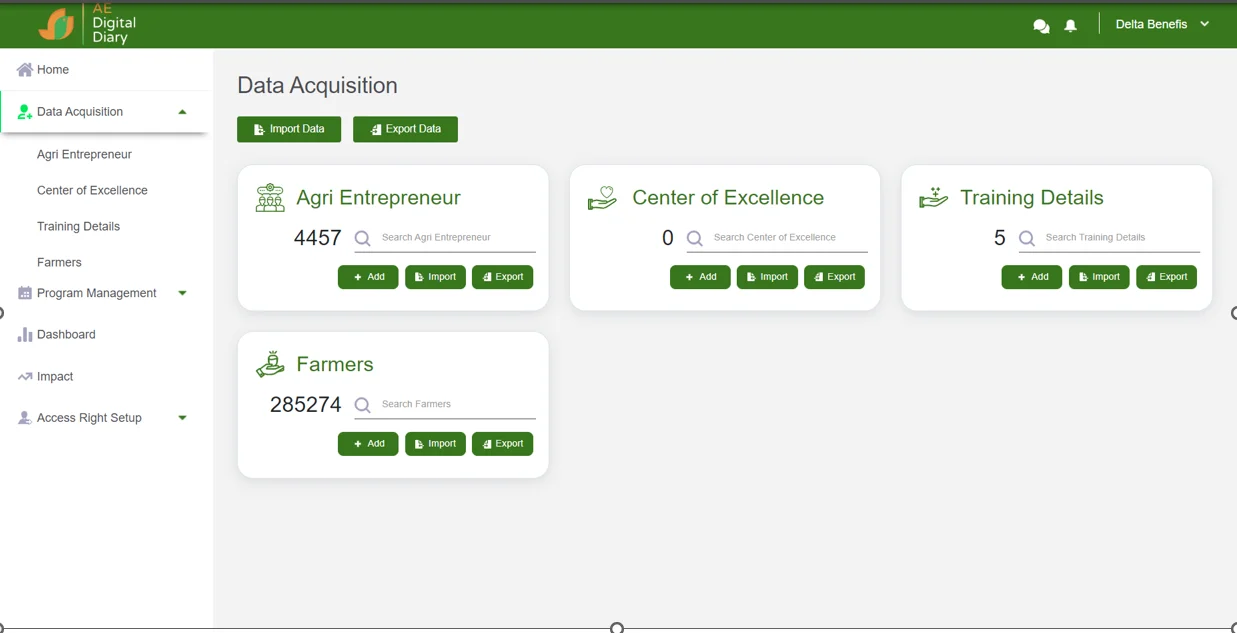
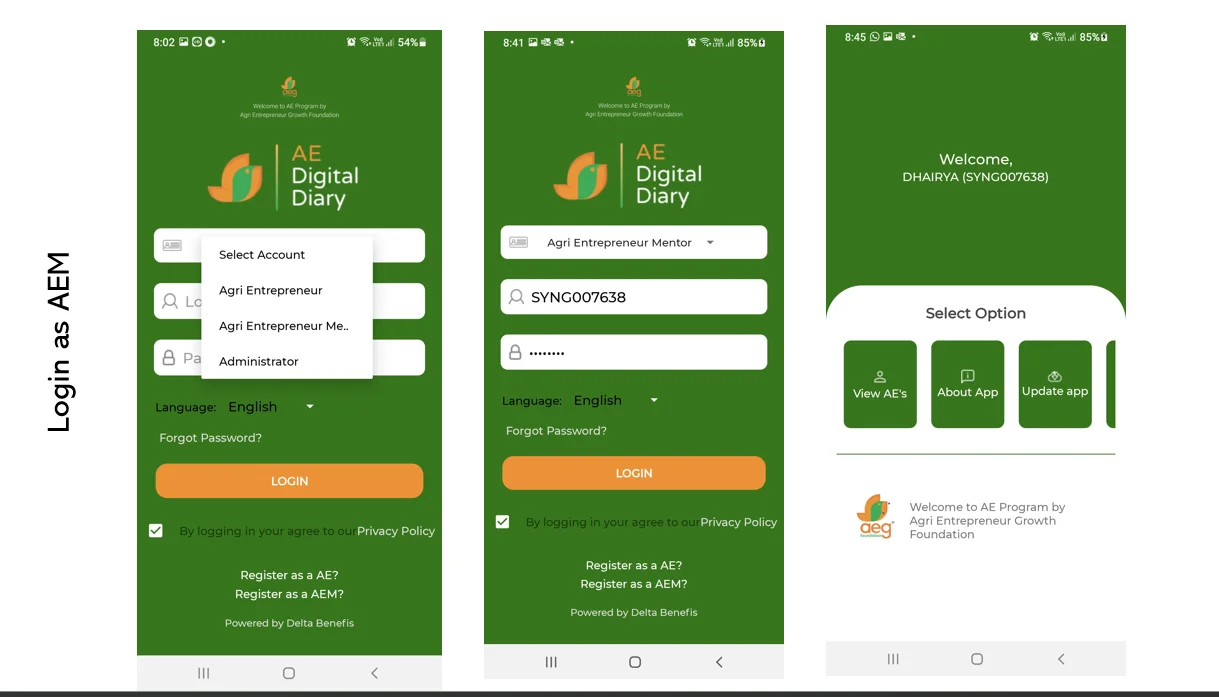
AEGF (Agri Entrepreneurship Growth Fund)

Challanges

The challenges for a AEGF are driven by various factors:

  • Capital and Financing:Agri entrepreneurs struggle to secure sufficient funding for their agricultural businesses, hindering their ability to invest in essential resources and infrastructure.
  • Market Volatility: Agricultural markets are subject to price fluctuations influenced by various factors, making it challenging for agri entrepreneurs to maintain consistent profitability.
  • Technological Advancements: Adopting and implementing new agricultural technologies requires significant investment and expertise, posing a barrier for agri entrepreneurs.
  • Seasonal Nature and Uncertainty: The unpredictable nature of agriculture, influenced by seasons and external factors, adds uncertainty to agri entrepreneurs' planning and operations.
  • Infrastructural Limitations: Inadequate infrastructure such as transportation, storage, and irrigation systems hampers the efficiency and productivity of agri businesses.
  • Regulatory and Legal Issues: Complying with complex agricultural regulations and navigating bureaucratic processes can be time-consuming and challenging for agri entrepreneurs.
  • Access to Information and Knowledge: Limited access to relevant information on farming practices, market trends, and financing options hinders agri entrepreneur's decision-making and adoption of best practices.
  • Limited Networking and Collaboration: Establishing strong networks and partnerships with stakeholders is essential for agri entrepreneurs but can be difficult, particularly in isolated areas.
  • Climate Change and Environmental Factors: Agri entrepreneurs must adapt to the effects of climate change, invest in sustainable practices, and mitigate environmental impacts to ensure long-term viability.